Views: 0 Author: Site Editor Publish Time: 2026-01-02 Origin: Site
Have you ever wondered who ensures that plastic products are consistently high-quality? A plastic extrusion technician plays a vital role in this process. They are responsible for operating and maintaining machines that transform raw materials into finished plastic products.
In this article, we will explore the key responsibilities of a plastic extrusion technician. You will learn how their work affects production efficiency, product quality, and overall manufacturing success in the plastic extrusion industry.
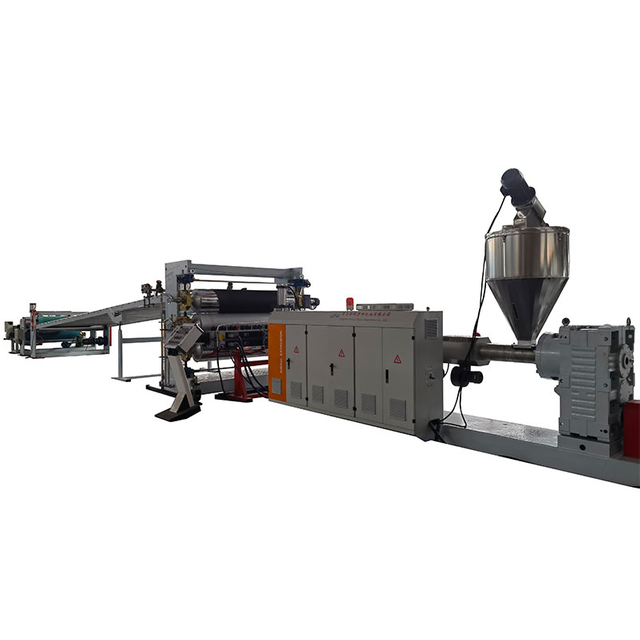
A plastic extrusion technician's primary responsibility is to set up and operate extrusion machines. These machines process raw plastic materials into final products. The technician prepares the extrusion line by loading the raw materials (plastic pellets or resin) into the hopper and configuring the machine settings to match the specifications required for each product.
During this stage, they adjust critical parameters such as temperature, screw speed, and pressure to optimize the extrusion process. Proper setup is essential to ensure smooth operation and prevent defects in the final product. The technician also monitors the machine during the extrusion process, ensuring it runs at the correct pace and temperature for different types of materials.
Once the machine is set up, the technician’s job continues with monitoring the extrusion process. They keep a close eye on various parameters, such as the speed, temperature, and pressure, ensuring they remain stable throughout production. This monitoring ensures the extrusion process remains consistent, preventing issues such as material jams, defects, or uneven product thickness.
Technicians must be prepared to make quick adjustments if anything goes wrong. For example, if the temperature is too high, it can cause the plastic to degrade, while a low temperature might lead to poor material flow. Therefore, maintaining real-time control is essential to ensure product quality and minimize waste.
Plastic extrusion technicians are also responsible for ensuring that the finished products meet the desired specifications and quality standards. To do this, they perform regular quality checks during production. These checks may include visual inspections and the use of specialized measuring tools, such as calipers or micrometers, to ensure the proper dimensions and surface quality of the extruded materials.
If the technician identifies any defects, such as bubbles, warping, or uneven thickness, they adjust the extrusion process accordingly. This could involve adjusting the machine’s temperature, speed, or pressure to ensure the final product meets quality standards. It’s essential that every product that comes off the production line meets the required specifications, as this directly impacts the product’s functionality and customer satisfaction.
Routine maintenance is an integral part of a plastic extrusion technician's role. This includes cleaning and lubricating machinery, performing minor repairs, and ensuring the equipment is in optimal working condition. Regular maintenance helps prevent downtime and extends the lifespan of the machines.
When issues arise, technicians must troubleshoot problems promptly. These issues could include mechanical failures, material clogs, or malfunctions in the machine’s control systems. Technicians use their knowledge of the machinery and production processes to diagnose the issue and fix it quickly, ensuring minimal disruption to the production schedule.
Technicians are also responsible for handling raw materials, additives, and the finished products. They need to ensure that the right materials are used in the extrusion process, whether it’s plastic pellets or special additives.
In addition, technicians must maintain records of production data, machine settings, and quality checks. These records are important for tracking production performance, identifying patterns in defects, and ensuring compliance with industry standards. Accurate documentation ensures transparency and helps teams address any issues that may arise in future production runs.
Responsibility | Description | Impact |
Machine Setup and Operation | Prepare the extrusion line and configure machine settings | Ensures smooth operation and prevents defects |
Monitoring and Adjustment | Monitor the process and make real-time adjustments | Ensures product quality and consistency |
Quality Control and Inspection | Perform regular checks and measure product quality | Guarantees that products meet specifications |
Maintenance and Troubleshooting | Perform routine maintenance and fix machine issues | Minimizes downtime and extends machine life |
Material Handling and Documentation | Manage raw materials and record production data | Ensures consistency and traceability |
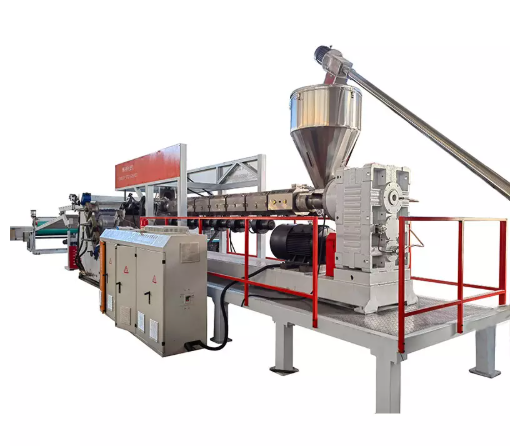
A plastic extrusion technician must possess a deep understanding of extrusion machinery, the materials being processed, and the specific requirements of each production run. They should be comfortable with reading blueprints and technical instructions, as well as using various measuring tools to monitor product quality. Additionally, familiarity with machine control systems and troubleshooting techniques is crucial to ensuring smooth operations.
One of the most important skills a plastic extrusion technician needs is the ability to quickly identify and resolve issues during production. Whether it’s adjusting machine settings to prevent defects or fixing mechanical problems, technicians must be adept problem-solvers. Effective troubleshooting minimizes downtime and ensures consistent product quality.
Precision is key in the plastic extrusion process. Small adjustments in temperature, speed, or pressure can make a big difference in the final product. Therefore, technicians must have a keen eye for detail and the ability to spot issues, such as slight variations in product dimensions, that could lead to defects or quality concerns. This skill helps technicians maintain high standards in every aspect of the production process.
Working as a plastic extrusion technician requires physical stamina. Technicians may need to stand for long periods, work in shifts, and handle heavy equipment. They also need to adhere to strict safety protocols to protect themselves and their colleagues from potential hazards associated with machinery and plastic processing. Technicians must be trained to handle the machinery safely and know the proper procedures to prevent accidents.
Skill | Importance | How it Contributes |
Technical Knowledge | Understanding of machines and materials | Essential for smooth operations |
Problem-Solving | Ability to troubleshoot issues quickly | Prevents downtime and improves efficiency |
Attention to Detail | Spotting issues early and ensuring product consistency | Maintains high product quality |
Safety Awareness | Following safety protocols | Ensures a safe working environment |
Plastic extrusion technicians play a crucial role in optimizing the performance of extrusion machines. By setting up and adjusting machines correctly, they ensure that the equipment operates at peak efficiency. Their careful monitoring and adjustments help prevent machine malfunctions and minimize waste, which leads to higher overall production efficiency.
Through their role in quality control and process adjustments, technicians are able to reduce defects in the final product. By maintaining the proper settings and making adjustments when needed, they ensure that fewer products are discarded due to defects. This not only improves product quality but also reduces material waste, making the manufacturing process more cost-effective.
Technicians ensure that each product coming off the extrusion line is consistent in quality, size, and appearance. Consistency is essential for meeting customer specifications and maintaining product reliability. By monitoring the extrusion process and adjusting as necessary, technicians help maintain uniformity across production batches.
Plastic extrusion technicians have a variety of career opportunities available to them. With experience, they can advance to supervisory roles or specialized positions, such as quality control or process engineering. Additionally, some may transition into roles in machine maintenance or even management, depending on their skill set and interests.
Many plastic extrusion technicians begin their careers through on-the-job training, but certifications can help boost their career prospects. Certifications like the Certified Extrusion Operator (CEO) program can demonstrate expertise in machine operation, maintenance, and quality control. Continuing education in fields like mechanical engineering or industrial technology can further enhance career opportunities.
Plastic extrusion technicians are essential to the production process, ensuring machines run smoothly and products meet high-quality standards. Their responsibilities, from machine setup to troubleshooting, ensure efficiency and reduce defects. The quality and consistency of their work directly impact the success of production lines.
At Qingdao Xinrui Plastic Machinery Co., Ltd., their advanced plastic extrusion machines offer precision and reliability, helping manufacturers meet high production standards. With their top-notch equipment, manufacturers can enhance efficiency and reduce waste, ensuring long-term success in the plastic industry.
A: A plastic extrusion technician is responsible for setting up, operating, and maintaining machines that turn plastic materials into products like pipes, films, and profiles through the extrusion process.
A: A plastic extrusion technician needs technical knowledge of machinery, problem-solving skills, attention to detail, and the ability to troubleshoot issues during production.
A: By optimizing machine settings, performing regular maintenance, and monitoring product quality, plastic extrusion technicians help improve efficiency and reduce waste during production.
A: Quality control ensures that the extruded products meet the desired specifications, preventing defects and ensuring consistency in product appearance and functionality.
A: The role requires standing for long periods, handling heavy equipment, working in shifts, and adhering to strict safety protocols to maintain a safe working environment.