Views: 0 Author: Site Editor Publish Time: 2025-12-30 Origin: Site
Plastic extrusion is an essential process in manufacturing numerous plastic products, from pipes to films. But how do you choose the right machine for your specific needs?
In this article, we will explore the different types of plastic extrusion machines, their applications, and the advantages and limitations of each. By the end, you’ll understand how to select the best extruder for your production requirements.
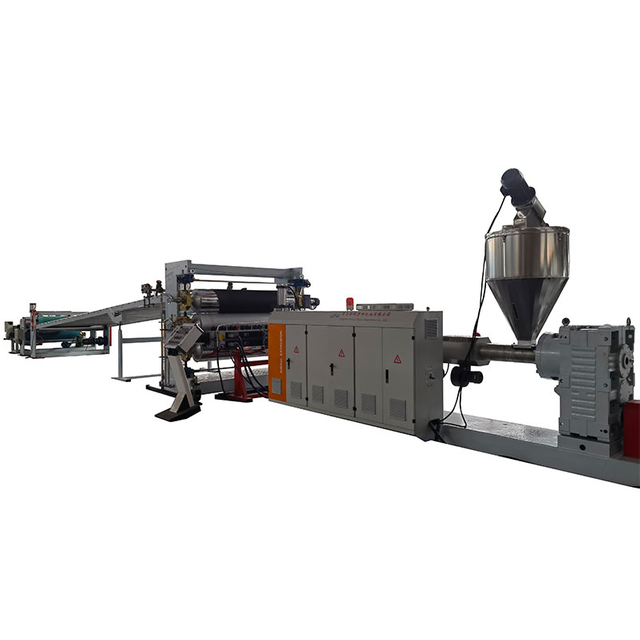
The single-screw extruder is the most basic and widely used type of plastic extrusion machine. It consists of a single rotating screw inside a heated barrel. The screw functions to move the plastic material through the barrel, applying both pressure and heat to melt the material. The melted plastic is then forced through a die, forming the desired shape, whether that’s a pipe, sheet, or profile. The design of this machine is relatively simple, with a hopper to feed in the plastic and a screw mechanism that provides continuous material flow.
This type of extruder is primarily used for thermoplastic materials that do not require extensive mixing or chemical reactions during extrusion. It works efficiently for basic products, such as standard pipes and sheets, which do not need specialized formulations or additional material additives.
Single-screw extruders are ideal for processing materials like polyethylene (PE), polypropylene (PP), and polyvinyl chloride (PVC), which are commonly used in a range of industries. These extruders are most often found in the production of products such as:
● Pipes for plumbing, drainage, and irrigation
● Films and sheets for packaging, food storage, and other commercial uses
● Profiles for door and window frames
Given their versatility, single-screw extruders are frequently used in large-scale production runs for everyday plastic products that do not require specialized formulations or additives.
Advantages:
● Cost-Effective: Single-screw extruders are one of the most cost-efficient extrusion machines available, making them suitable for mass production of standard products.
● Simple Design: The machine is relatively straightforward to operate and maintain, with fewer parts that could break down.
● Wide Range of Materials: These extruders can handle a variety of thermoplastic materials, making them versatile for standard extrusion applications.
Limitations:
● Limited Mixing Capacity: Single-screw extruders are less effective when it comes to processing highly filled or complex materials, as the mixing capability is limited compared to other types.
● Inability to Handle Reactive Materials: This machine is not suitable for reactive materials that require precise temperature and mixing control during extrusion.
Extruder Type | Best For | Advantages | Limitations |
Single-Screw Extruder | Simple plastics | Simple, cost-effective, low maintenance | Limited for complex materials |
Twin-Screw Extruder | Complex materials | Superior mixing, versatile | Higher maintenance, costlier |
Multilayer Extruder | Co-extruded products | Enhanced product properties | Requires precise control |
Ram Extruder | High-viscosity materials | Suitable for thick-walled products | Less efficient for high volume |
Devolatilizing Extruder | Moisture-sensitive plastics | Improves purity, quality | Complex setup, expensive |
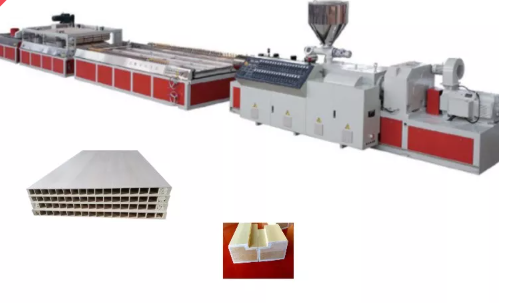
Twin-screw extruders are more advanced machines compared to single-screw extruders, offering superior capabilities in mixing and processing. These extruders feature two intermeshing screws that rotate either in the same direction (co-rotating) or opposite directions (counter-rotating). This design ensures better material distribution, uniformity in temperature control, and enhanced mixing of ingredients. Twin-screw extruders can also handle more complex materials, such as polymers mixed with additives, fillers, or powders.
The versatility of twin-screw extruders makes them ideal for processing a wide range of materials, including those that require precise mixing or even chemical reactions during extrusion. In co-rotating models, both screws move in the same direction, promoting efficient mixing and better control over the process, while counter-rotating models provide better material pushing and separation, which is ideal for certain applications.
Twin-screw extruders are used in more specialized applications where high-performance materials are involved. These include:
● The production of filled polymers, such as glass fiber-reinforced plastics
● The manufacturing of masterbatches, which are concentrated mixtures of pigments and additives
● Processing of reactive extrusion products, where chemical reactions occur during the extrusion process
These extruders are essential in industries such as automotive, packaging, medical devices, and even food-grade plastic production.
Advantages:
● Superior Mixing and Control: Twin-screw extruders excel at providing thorough mixing, making them ideal for complex formulations and materials with varying properties.
● Versatility: They can handle a variety of materials, including those with poor flow characteristics, and are ideal for precise control over the extrusion process.
● Improved Efficiency: They offer better thermal control, making them suitable for processing temperature-sensitive materials.
Limitations:
● Higher Costs: Twin-screw extruders are generally more expensive than single-screw models, both in terms of initial investment and ongoing maintenance.
● Complex Operation: Operating a twin-screw extruder requires more expertise, as the process involves more intricate handling and adjustments compared to a single-screw extruder.
Multilayer extruders are designed to produce products with multiple layers of plastic materials, often with distinct properties to meet specific product requirements. These machines have several extruders that feed different materials into a single die, where the layers are combined into a single, co-extruded product. The result is a product that can offer unique benefits by combining the properties of different plastics, such as increased strength, improved barrier properties, or enhanced chemical resistance.
Multilayer extrusion is commonly used for applications where one layer of plastic provides a specific characteristic (like barrier protection) while another layer provides structural integrity.
Multilayer extruders are widely used in industries that require films and sheets with multiple layers. Common applications include:
● Packaging Films: Used in food packaging to provide protection against moisture, oxygen, and light.
● Co-extruded Pipes: For products that require both a corrosion-resistant inner layer and a strong, durable outer layer.
● Laminated Sheets: For industrial applications where different materials need to be combined to enhance product performance.
These machines are critical in industries like food packaging, medical products, and construction, where multi-functional plastic products are necessary.
Advantages:
● Enhanced Product Performance: By combining different materials, multilayer extruders produce products with superior properties, such as better durability or enhanced protection against environmental factors.
● Customization: Manufacturers can tailor each layer’s properties to meet specific needs, offering greater flexibility in product design.
Limitations:
● Complex Setup: Multilayer extrusion requires precise control over the material feed and process parameters to achieve uniform layers.
● Higher Costs: These machines tend to be more expensive due to the additional extruders and complexity involved in handling multiple materials.
Ram extruders use a piston or plunger to push plastic material through a die. Unlike screw extruders, which operate continuously, ram extruders work in cycles. The material is pre-formed into billets or compacted masses and placed in a chamber. The piston applies pressure to force the material through the die, creating a final product.
This type of extruder is particularly useful for processing high-viscosity materials, such as those with a high filler content or materials that cannot withstand the shear forces created by screw extruders. Ram extruders are ideal for batch production, where control over the material is needed.
Ram extruders are commonly used in the production of:
● High-Viscosity Materials: Products like ceramic-filled plastics, metals, and composites.
● Thick-Walled Pipes: Industries that require the production of thick-walled plastic pipes often use ram extruders for their compaction ability.
This machine is also suitable for manufacturing specialty products where continuous extrusion is not necessary or practical.
Advantages:
● High Compaction Ability: Ram extruders excel at handling high-viscosity and highly filled materials that are difficult to process with other types of extruders.
● Precise Control: Ideal for applications that require more precise control over the material compaction and shaping process.
Limitations:
● Batch Process: Ram extruders do not offer continuous production, making them less efficient for high-volume applications.
● Lower Output: Compared to screw-based extruders, ram extruders generally have lower throughput.
Plastic extrusion plays a critical role in various industries, offering essential solutions for creating a wide range of products. The choice of the right extruder is crucial for optimizing both production efficiency and product quality. By understanding the different types of plastic extrusion machines, you can select the best one based on your specific needs.
For companies like Qingdao Xinrui Plastic Machinery Co., Ltd., their advanced extrusion machines provide the perfect balance of performance and reliability. Their products are designed to meet diverse manufacturing demands, ensuring high-quality output with superior efficiency. Whether you're producing simple or complex materials, their innovative solutions help you achieve optimal results with ease.
A: Plastic extrusion is a process where plastic material is melted and forced through a die to create continuous shapes, such as pipes, sheets, or films.
A: A twin-screw extruder uses two intermeshing screws to melt and mix plastic material efficiently, making it ideal for complex formulations and high-quality production.
A: Single-screw extruders are cost-effective, easy to maintain, and suitable for producing standard plastic products like pipes and sheets.
A: Plastic extrusion machines are efficient for continuous production of long shapes, offering high output and flexibility, unlike other methods such as injection molding.
A: The cost varies depending on the type, size, and features of the machine, with single-screw extruders being more affordable compared to twin-screw or multilayer extruders.