
Views: 0 Author: Site Editor Publish Time: 2026-01-06 Origin: Site
Is 3D printing the same as plastic extrusion? While both processes involve melting plastic, there are key differences. Understanding these can help you grasp the nuances of 3D printing technologies.
In this article, we’ll explore how plastic extrusion works in 3D printing. You’ll learn about the types of extrusion systems, how they function, and why they matter in creating precise 3D objects.
In 3D printing, extrusion is a fundamental process where plastic filament is heated until it becomes soft and then pushed through a nozzle to create a 3D object, layer by layer. The material used for this process typically consists of thermoplastics, such as PLA, ABS, and PETG.
Plastic extrusion in 3D printing is similar to the extrusion process used in manufacturing various plastic products. However, in 3D printing, the filament is fed into the machine, heated, and extruded in a controlled environment to build a part precisely to design specifications.
The process begins with the filament being fed into the extruder, where it is heated by a hotend. This part of the system heats the filament until it reaches a molten state, allowing it to flow smoothly. The printer's extruder then pushes the molten filament through the nozzle.
This step is similar to using a hot glue gun, where material is applied onto a surface. As the print head moves across the build platform in the X and Y axes, the melted filament builds layer by layer. The Z-axis controls the height of each new layer, creating a solid, three-dimensional object. The precision and accuracy of this process depend on the quality of the extruder, hotend, and temperature control.
There are two main types of extrusion systems commonly used in 3D printing: Direct Drive and Bowden. Both systems work to extrude filament but differ in their mechanical design and operation.
In a direct drive extrusion system, the extruder motor is mounted directly on the print head, which feeds the filament into the hotend with minimal distance to travel. This design ensures precise control of filament feeding, making it ideal for flexible filaments such as TPU.
Pros:
● More accurate retraction and extrusion control.
● Better suited for flexible filaments due to direct feeding.
Cons:
● Added weight on the print head can slow down printing speeds.
In a Bowden extrusion system, the extruder motor is mounted away from the printhead, feeding the filament through a long Teflon tube. This design reduces the weight on the print head, which allows for faster print speeds but can lead to less control over the filament, particularly with flexible materials.
Pros:
● Lighter printhead allows for faster movements and higher printing speeds.
● Ideal for large-format prints with rigid materials.
Cons:
● Not well-suited for flexible filaments due to the longer tube and distance between the extruder and hotend.
Feature | Direct Drive Extruder | Bowden Extruder |
Print Speed | Faster due to better control | Faster printhead movement |
Retraction Performance | Shorter retraction distance | Longer retraction distance |
Filament Compatibility | Handles a wide variety | Best for rigid materials |
Best for | Flexible filaments | Large prints, fast speeds |
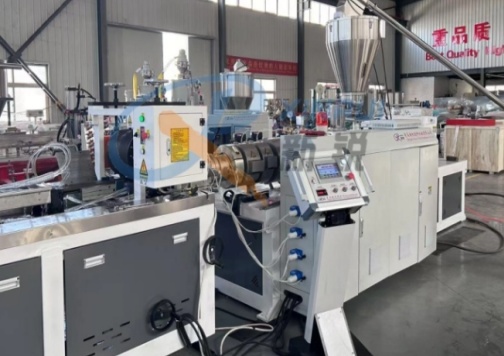
The extruder is a key component that feeds the filament into the hotend for melting. It consists of a motor, gears, and other mechanisms to drive the filament through the system. The extruder must maintain a consistent flow of filament to ensure a smooth printing process. There are two main types of extruders: direct drive and Bowden, each with its benefits and limitations.
The hotend is responsible for melting the filament as it is fed through the nozzle. It includes a heating block, thermistor, and nozzle. The hotend heats the filament to the correct temperature and ensures that it flows consistently through the nozzle. A high-quality hotend is critical to avoid issues like clogs, temperature fluctuations, or inconsistent extrusion.
The filament is the material used in 3D printing, which is typically made of thermoplastics. The most common filaments include PLA, ABS, and PETG. Each filament type has different temperature requirements for extrusion, which can affect the quality and performance of the printed object. Choosing the right filament is essential for ensuring the finished product meets the desired specifications.
Plastic extrusion-based 3D printers, particularly FDM machines, are among the most affordable types of 3D printers available. These printers are cost-effective both in terms of initial investment and the materials used, making them a popular choice for hobbyists, educators, and small businesses.
Moreover, the cost of filament, the primary material for 3D printing, is relatively low compared to other materials used in other forms of additive manufacturing, such as resin or powder.
Extrusion in 3D printing allows for high precision and the creation of intricate designs. Each layer is printed with accuracy, ensuring that the final object matches the digital design specifications. With this level of detail, manufacturers can produce custom parts, prototypes, and products that would be difficult or impossible to achieve using traditional manufacturing methods.
Plastic extrusion systems are highly versatile, capable of working with a wide range of materials. Different types of filaments, such as PLA, ABS, and PETG, can be used, allowing for various mechanical properties, finishes, and performance characteristics. This versatility is one of the reasons why extrusion is so widely used in 3D printing across many industries.
One of the most common issues in 3D printing extrusion is a clogged nozzle. A clogged nozzle can cause under-extrusion, resulting in incomplete prints or poor-quality surfaces. To fix this, you can use a cleaning needle or perform a cold pull to clear any blockages. Regular maintenance and cleaning of the extruder can also help prevent clogs from forming.
Under-extrusion occurs when there isn't enough filament coming out of the nozzle, which can cause gaps or weak spots in the print. To fix this, check the filament spool, increase the temperature, or adjust extrusion settings in the slicer.
Over-extrusion, on the other hand, happens when too much filament is extruded, causing blobs or messy prints. To resolve this, reduce the extrusion flow rate, lower the nozzle temperature slightly, or check the filament diameter settings.
Warping occurs when the edges of the print lift from the build plate, and layer separation happens when the printed layers don't bond properly. To avoid this, ensure proper bed adhesion by using heated beds or adhesion aids like glue sticks. Additionally, controlling temperature and cooling rates can help reduce these issues.
Issue | Cause | Solution |
Clogged Nozzle | Material build-up | Use cleaning needles, cold pull |
Under-Extrusion | Low filament feed | Check spool, increase temperature |
Over-Extrusion | Excess filament flow | Reduce extrusion rate, lower temp |
Warping | Poor adhesion to bed | Use heated beds, proper cooling |
Extrusion in 3D printing (FDM) is often compared to other methods like SLA (Stereolithography) and SLS (Selective Laser Sintering). While FDM is cost-effective and versatile, SLA and SLS offer higher resolution and material versatility for highly detailed models.
● FDM: Affordable, widely accessible, ideal for functional parts and prototypes.
● SLA: High resolution, great for fine details and aesthetics.
● SLS: Strong mechanical properties, ideal for functional prototypes.
Each technology has its strengths and weaknesses, and the choice depends on the specific needs of the project.
The future of 3D printing extrusion looks promising with advances in high-temperature hotends, multi-material printing, and better filament options. These advancements will increase the range of applications and improve print speeds, leading to more efficient and versatile 3D printing solutions.
As industries seek to reduce their environmental footprint, extrusion-based 3D printing offers potential for sustainability. With improved recycling techniques and better material use, 3D printing can help reduce waste and promote environmentally friendly manufacturing practices.
Plastic extrusion plays a key role in 3D printing, particularly in FDM technology. The process of heating and extruding plastic filament layer by layer allows for the creation of complex shapes with high precision. Understanding the different extrusion systems, such as Direct Drive and Bowden, can help users choose the right 3D printer for their needs.
At Qingdao Xinrui Plastic Machinery Co., Ltd., their advanced plastic extrusion equipment provides reliable performance and efficiency. Their products, known for high-quality precision, support manufacturers in producing durable and accurate 3D printed objects, ensuring success across various industries.
A: Yes, 3D printing uses plastic extrusion, where filament is melted and extruded through a nozzle to create objects layer by layer.
A: Common filaments used in plastic extrusion for 3D printing include PLA, ABS, and PETG, each offering different properties for various applications.
A: Plastic extrusion allows 3D printers to produce objects with high precision and detail, making it ideal for prototyping, product development, and customized designs.
A: Unlike resin-based 3D printing, extrusion is more cost-effective, versatile, and suitable for creating functional parts, but with lower resolution.
A: Issues such as clogged nozzles, under-extrusion, and over-extrusion are common, but can usually be fixed with adjustments to temperature or extrusion settings.


