Views: 0 Author: Site Editor Publish Time: 2026-01-09 Origin: Site
Have you ever wondered how so many everyday plastic items are made?From pipes to packaging, many rely on plastic extrusion.
In this article, we explore What Plastic Products Are Made by Extrusion? You will learn common products, materials, and why this process matters.
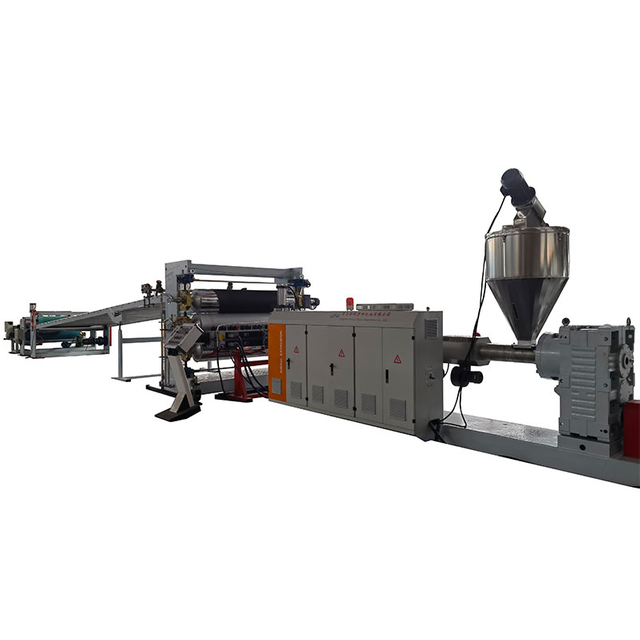
Plastic extrusion is a continuous process where raw plastic material, usually in the form of pellets, is melted and forced through a die to create objects of a desired cross-sectional shape. The material is cooled and solidified after passing through the die, and then it is cut into lengths or rolled. This process allows for high-volume production of plastic products with consistent shapes and sizes.
The primary advantage of plastic extrusion is its ability to produce long, continuous products such as pipes, sheets, and films. It also allows for the use of various types of plastics, including thermoplastics like PVC, PE, and ABS.
The materials commonly used in plastic extrusion are thermoplastics, which can be melted and re-solidified multiple times. Some of the most common materials include:
● Polyvinyl Chloride (PVC): Often used for pipes, window profiles, and flooring.
● Polyethylene (PE): Used in pipes, films, and packaging.
● Acrylonitrile Butadiene Styrene (ABS): Common in automotive parts and household items.
● Polypropylene (PP): Used for various containers, automotive parts, and packaging.
Each material is selected based on its specific properties, such as flexibility, strength, temperature resistance, and ease of processing.
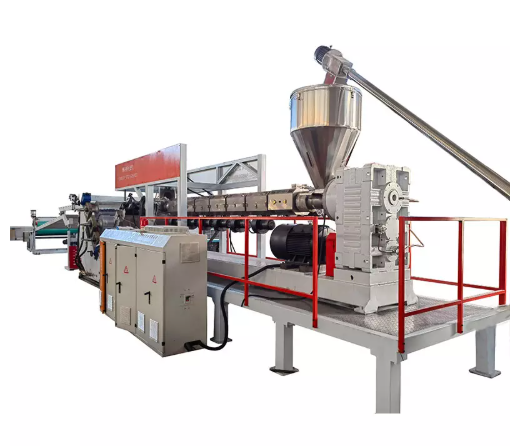
One of the most common applications of plastic extrusion is the production of pipes and tubes. These products are used in a wide range of industries, including plumbing, construction, and agriculture. Plastic pipes offer numerous benefits over metal pipes, including lighter weight, corrosion resistance, and ease of installation.
Extrusion allows manufacturers to produce pipes in various diameters, lengths, and wall thicknesses. Common applications for plastic pipes include water supply lines, drainage systems, and irrigation pipes. In the medical industry, plastic extrusion is used to create flexible tubing for medical devices such as catheters and IV lines.
Plastic profiles and moldings are created by extrusion and are used in a wide range of industries. These include window frames, door seals, and decorative trims. The ability to create complex shapes and custom designs makes plastic extrusion ideal for manufacturing profiles.
For instance, in the construction industry, plastic profiles are often used for weatherproofing, insulation, and sealing. Additionally, extrusion allows for the production of intricate shapes that can be customized based on the design needs, providing greater flexibility than other manufacturing methods.
Plastic films and sheets are produced in large quantities through extrusion and have a variety of applications, especially in packaging. These products are used for food packaging, agricultural films, and even in medical and industrial applications.
Plastic films produced by extrusion are lightweight, durable, and can be produced in various thicknesses. They can also be customized with different surface treatments, such as anti-static properties or UV protection, to suit specific needs. Extruded films are commonly used in food packaging to extend shelf life or provide moisture protection.
Extrusion is also extensively used for producing wire and cable insulation. The process allows for the continuous production of insulated cables used in various industries such as electrical, telecommunications, and automotive.
Plastic insulation, made from materials like PVC or PE, is extruded onto wires and cables to protect them from environmental factors and ensure safety. The extrusion process enables high efficiency and precision, ensuring that each wire is insulated evenly and consistently.
Extrusion is used to create solid plastic shapes for various applications, including decking, outdoor furniture, and sports equipment. These products require the ability to produce large, solid pieces with a uniform cross-section, and extrusion is well-suited for this task.
For example, in the construction industry, plastic decking made by extrusion provides a durable and low-maintenance alternative to traditional wood. It’s also used for outdoor furniture and playground equipment. In sports, materials such as plastic extrusions are used in the creation of things like skateboards, racquets, and protective gear.
Product Type | Common Materials Used | Typical Applications |
Pipes and Tubing | PVC, PE, ABS | Plumbing, irrigation, medical tubing |
Profiles and Moldings | PVC, ABS | Window frames, door seals, automotive trims |
Plastic Films and Sheets | PETG, PLA, LDPE | Packaging, signage, food storage |
Wire and Cable Insulation | PVC, PE | Electrical wiring, telecommunications |
Solid Shapes: Decking | PVC, Polypropylene | Outdoor furniture, playground equipment |
One of the key benefits of plastic extrusion is its cost-effectiveness. The process is highly efficient, making it ideal for mass production of plastic products. Since extrusion is a continuous process, it requires less labor and produces less waste compared to other manufacturing methods, such as injection molding.
Moreover, plastic extrusion allows for the use of recycled materials, further reducing production costs. This makes it an economical choice for manufacturers looking to produce large quantities of high-quality products at a low cost.
Plastic extrusion offers a high level of customization. Manufacturers can adjust the die to create products with specific dimensions and profiles, and the process allows for the use of different materials and additives to achieve the desired properties.
This flexibility makes plastic extrusion ideal for a wide variety of industries, from construction to automotive. The ability to produce custom profiles, varying thicknesses, and specialized finishes ensures that manufacturers can meet the specific needs of their clients.
Plastic extrusion is known for its high efficiency and speed. Once the machine is set up, it can continuously produce long lengths of extruded material with minimal downtime. The high-speed production rate makes extrusion ideal for industries that require large volumes of material, such as construction or packaging.
Additionally, the continuous nature of the process ensures that the final product is consistent in quality, which is critical in applications like medical devices or electrical cables.
Benefit | Description | Impact |
Cost-Effectiveness | Low production costs and reduced waste | Ideal for high-volume manufacturing |
Customization | Flexible to create complex shapes and sizes | Meets specific design requirements |
Speed and Efficiency | Continuous production with minimal downtime | Increased productivity and output |
Plastic extrusion offers significant environmental benefits through its ability to use recycled materials. Many manufacturers today are using post-consumer plastic waste to create new products, reducing the environmental impact of plastic production.
Moreover, advancements in extrusion technology have made it easier to recycle plastics, ensuring that they are reused efficiently in new applications. This recycling capability contributes to a circular economy, where materials are reused, minimizing waste and reducing the need for virgin resources.
As environmental concerns continue to grow, the use of biodegradable and sustainable plastics in extrusion is also on the rise. Manufacturers are increasingly using bioplastics, such as PLA (polylactic acid), which can be made from renewable resources like corn starch or sugarcane.
These eco-friendly materials reduce the carbon footprint of plastic production and provide manufacturers with a more sustainable alternative for creating plastic products.
Plastic extrusion is widely used in the construction industry to create products like window frames, door seals, and insulation materials. These products offer advantages such as durability, low maintenance, and energy efficiency.
For example, plastic pipes made by extrusion are commonly used for water distribution systems, drainage, and sewage. Their resistance to corrosion and ease of installation make them an excellent choice for construction projects.
Extruded plastic films are extensively used in the packaging industry. From food packaging to industrial wrapping materials, the extrusion process allows for the production of lightweight, durable films that can be easily customized.
Plastic films produced by extrusion can be made with varying thicknesses and can be treated to offer UV protection, moisture resistance, or tamper-evidence, making them ideal for various packaging applications.
In the automotive industry, plastic extrusion is used to manufacture parts like seals, gaskets, and trim components. These parts must be lightweight, durable, and resistant to environmental stress, making plastic extrusion an ideal manufacturing process.
Extruded plastic parts also help reduce vehicle weight, contributing to improved fuel efficiency and overall performance.
Plastic extrusion makes long, consistent shapes for many industries. It produces pipes, tubing, films, sheets, profiles, and wire insulation. This process is fast, cost-effective, and easy to customize. For reliable output, choose Qingdao Xinrui Plastic Machinery Co., Ltd.. Their plastic extrusion equipment supports stable quality, efficient production, and recycled-material processing for more sustainable products.
A: Plastic extrusion melts plastic and pushes it through a die to form continuous shapes.
A: Plastic extrusion makes pipes, tubing, films, sheets, profiles, and wire insulation.
A: Plastic extrusion is fast, cost-effective, and ideal for long, uniform parts.
A: Plastic extrusion often uses PVC, PE, PP, and ABS for different performance needs.
A: In plastic extrusion, unstable heat, die wear, or poor cooling may cause it.