
Views: 0 Author: Site Editor Publish Time: 2025-11-24 Origin: Site
The world of plastic sheet manufacturing is vast and growing, with various materials like PVC, PET, and ABS playing critical roles in industries ranging from packaging to construction and automotive. Choosing the right plastic sheet-making machine is crucial for achieving optimal production efficiency, product quality, and cost-effectiveness. Whether you're in the market for a machine that handles PVC, PET, or ABS, understanding how each material interacts with the machine will help you make a well-informed decision. In this guide, we’ll explore the key factors to consider when selecting a plastic sheet-making machine and how different materials like PVC, PET, and ABS influence your choice of equipment.
Plastic sheet-making machines are specialized equipment used to process plastic materials into thin, flat sheets. These sheets can be used in various applications such as packaging, signage, automotive parts, and medical devices. The process involves melting plastic resin and forming it into sheets through extrusion, rolling, or thermoforming.
Extrusion is the most common method for making plastic sheets. The process involves forcing heated plastic through a mold, shaping it into a flat sheet as it cools. This method is particularly well-suited for high-volume production.
Thermoforming follows a slightly different process, where plastic sheets are heated and then shaped into molds. This process is commonly used for applications requiring intricate shapes and forms.
The type of machine you choose will depend on several factors, including the type of plastic material, the thickness of the sheets, the desired speed of production, and the final application of the sheets.
Polyvinyl chloride (PVC) is one of the most commonly used plastics in sheet production due to its versatility, durability, and cost-effectiveness. PVC sheets are widely used in industries such as packaging, construction, signage, and medical devices. When choosing a plastic sheet-making machine for PVC, here are some key considerations:
Ease of Processing: PVC has a relatively low melting point, which makes it easy to process. It can be extruded into various thicknesses, and its flexibility allows it to be cut, printed on, and laminated with ease. This ease of processing makes PVC ideal for high-volume production lines.
Durability and Versatility: PVC sheets are highly durable, offering resistance to chemicals, moisture, and corrosion. This makes them suitable for a wide range of applications, including durable packaging materials, pipes, flooring, and even medical device components. The versatility of PVC allows it to be used in both indoor and outdoor environments without significant degradation.
Flexible Production Speeds: PVC sheet production often requires machines that can operate at varying speeds. Depending on the thickness of the sheets and the production volume, it’s crucial that machines can adjust their speeds to meet production goals without sacrificing the quality of the sheets. Whether for small runs or large-scale manufacturing, machines that offer flexibility in speed are ideal for PVC sheet production.
To produce high-quality PVC sheets, it’s essential to select a machine with precise temperature control, ensuring the material is heated evenly throughout the extrusion process. A good PVC sheet-making machine should have robust extruders with strong screws that efficiently push the material through the die. Additionally, temperature controllers and adjustable die heads are key features that ensure smooth and consistent sheet formation. By carefully selecting equipment with these features, manufacturers can optimize production efficiency and product quality.
Polyethylene terephthalate (PET) is another popular plastic material known for its excellent clarity, high strength, and ability to be thermoformed. PET sheets are commonly used in food packaging, medical packaging, and electrical insulation applications. If your application demands transparency, durability, and resistance to impact, PET is an excellent choice.
Clarity and Appearance: PET sheets are highly transparent, which makes them ideal for applications where visibility is important, such as packaging for food and beverages.
Strength and Durability: PET sheets have excellent mechanical properties and can withstand high levels of impact, making them suitable for durable products like blister packs and protective covers.
Heat Resistance: PET is more resistant to heat compared to PVC, making it suitable for applications requiring high-temperature resistance.
For PET sheet production, you’ll need an extruder that can handle higher processing temperatures. PET requires a precise extrusion system with good temperature control to maintain clarity and prevent discoloration or degradation during the process. PET is more sensitive to temperature fluctuations than PVC, so selecting a machine with consistent heating and cooling systems is essential for high-quality production.
Machines that offer high screw speeds and precision control are also critical when working with PET, as this material tends to become brittle if not handled properly during extrusion.
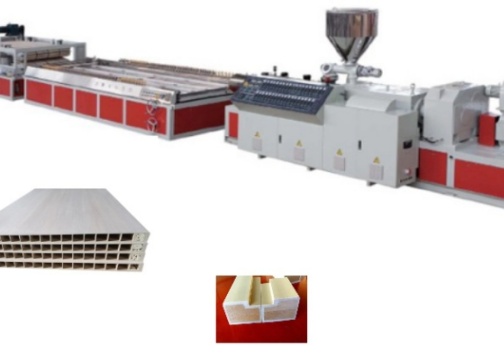
Acrylonitrile Butadiene Styrene (ABS) is a highly durable and impact-resistant plastic that is commonly used in the production of automotive parts, appliances, and various industrial applications. ABS sheets are tougher than both PVC and PET, and they are used in products that require high strength and stability.
Impact Resistance: ABS sheets are known for their high impact resistance, making them suitable for products that need to withstand rough handling or harsh environments, such as automotive parts, electrical housings, and machinery components.
Thermoformability: ABS is also highly thermoformable, meaning it can be molded into different shapes easily, which is why it's often used for creating custom-designed components.
Surface Finish: ABS can be processed to have a smooth, glossy finish, making it suitable for aesthetically demanding applications like appliance housings or decorative parts.
When producing ABS sheets, it is essential to choose a machine capable of handling the higher extrusion temperatures required for this material. ABS typically requires more heat than PVC or PET to reach the necessary flow rate. The machine should also have high-quality cooling systems to ensure the sheets maintain their shape and finish after extrusion.
Additionally, ABS sheets require precise control over the extrusion speed and pressure to maintain their high-impact resistance. A robust machine with the ability to adjust settings quickly will ensure consistent quality throughout the production process.
Regardless of whether you are working with PVC, PET, or ABS, several key features should be considered when selecting a plastic sheet-making machine.
Precise temperature control is crucial for ensuring that the material is melted and formed properly without degradation. Machines should have reliable heating and cooling systems that maintain consistent temperatures throughout the production process.
The extrusion speed and output capacity of a machine should align with your production goals. Machines with adjustable speeds provide the flexibility needed for both small-batch and large-scale production.
The machine you choose should be compatible with the specific materials you plan to use. Machines that can handle a wide range of materials—such as PVC, PET, and ABS—offer more versatility, enabling you to shift between materials based on changing market demands.
Machines with user-friendly interfaces and easy maintenance features will help keep production running smoothly with minimal downtime. Look for machines that are equipped with automatic lubrication systems and easily accessible parts for quick servicing.
Energy consumption is a key factor in the overall cost of production. Machines designed with energy-efficient features will help reduce operating costs over time, making them more sustainable for long-term use.
When selecting a plastic sheet-making machine, choosing the right supplier is just as important as selecting the right equipment. The right partner will provide not only high-quality machines but also valuable support, including installation, training, and after-sales service.
Qingdao Xinrui Plastic Machinery Co., Ltd. is a leading manufacturer of extrusion machines, offering reliable, high-performance solutions for PVC, PET, and ABS sheet production. Their machines are designed with the latest technology, ensuring high efficiency, precision, and durability.
Whether you are looking for machines to handle high-volume PVC production, create impact-resistant ABS sheets, or manufacture clear PET packaging, Qingdao Xinrui has the expertise and equipment to meet your needs. Their machines are built for ease of use, high performance, and long-term reliability, making them an excellent choice for businesses looking to optimize their plastic sheet production.
Selecting the right plastic sheet-making machine for your application is a crucial decision that can have a significant impact on production efficiency, product quality, and overall cost. Whether you’re working with PVC, PET, or ABS, understanding the specific properties and processing requirements of each material will help you choose the best machine for your needs.
At Qingdao Xinrui Plastic Machinery Co., Ltd., their expertise and cutting-edge technology ensure that you get the most out of your plastic sheet production, no matter the material. If you're ready to learn more about how their machines can benefit your production line, contact them today to discuss your specific needs and explore the right solutions for your business.


