
Views: 0 Author: Site Editor Publish Time: 2025-11-25 Origin: Site
Wood Plastic Composites (WPC) have gained significant traction in recent years, thanks to their durability, versatility, and eco-friendly properties. As demand for WPC continues to rise in industries such as construction, automotive, and furniture, the efficiency of production processes becomes increasingly important. Twin-screw extrusion, a key technology in WPC manufacturing, has undergone a series of innovations that have revolutionized production lines, improved product quality, and reduced costs. This article explores the latest developments in twin-screw extrusion technology and how they are boosting efficiency in WPC production.
Twin-screw extruders are used extensively in the processing of WPC materials, which are typically a combination of wood fibers and plastic polymers. These machines consist of two intermeshing screws that rotate in opposite directions, providing excellent mixing, melting, and conveying capabilities. The primary role of a twin-screw extruder in WPC production is to melt and blend the wood fibers with the plastic matrix, forming a homogeneous material that is then shaped into products like decking, cladding, and furniture components.
The efficiency of a twin-screw extruder is critical to the overall productivity of WPC production. Higher efficiency means faster production times, lower energy consumption, and less waste—factors that contribute to both cost savings and environmental sustainability.
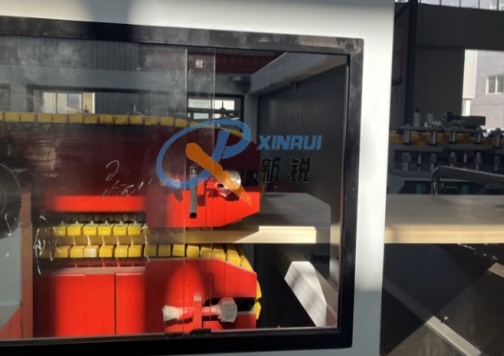
One of the most notable innovations in twin-screw extrusion technology is the development of advanced screw designs. In traditional extruders, the screws were relatively simple in their construction, focused primarily on conveying the material through the extruder barrel. However, modern twin-screw extruders feature more sophisticated screw profiles that are designed to improve the mixing, shear, and melting processes.
Innovative screw designs allow for better dispersion of wood fibers in the plastic matrix. These enhanced screws facilitate a more uniform melt, improving the overall quality of the WPC products. They also enable more efficient energy transfer, which reduces the energy required for processing, thereby increasing the throughput of the extruder.
Moreover, the integration of modular screw designs enables manufacturers to customize the extruder to suit specific processing requirements, depending on the type of plastic or wood fiber used. This flexibility is essential for optimizing production lines and meeting the varying needs of different WPC applications.
Efficient cooling is another critical aspect of twin-screw extrusion in WPC production. The rapid cooling of the extruded material after it exits the die is essential for shaping the final product and preventing defects such as warping or uneven surfaces. Modern twin-screw extruders now feature advanced cooling systems that provide more precise control over the cooling process.
Innovations in cooling technology, such as water-cooled barrels and air-cooled systems, have led to better temperature control during extrusion. This results in improved surface quality and dimensional stability of the final WPC products. Enhanced cooling systems also contribute to higher production rates, as they allow the material to solidify quickly, minimizing bottlenecks and maximizing throughput.
The introduction of smart control systems has significantly boosted the efficiency of twin-screw extruders. These systems integrate advanced sensors and real-time data monitoring to track the performance of the extruder during production. By collecting data on parameters such as temperature, pressure, and screw speed, manufacturers can make immediate adjustments to optimize the extrusion process.
The use of PLC (Programmable Logic Controllers) and SCADA (Supervisory Control and Data Acquisition) systems enables precise control over the entire extrusion process. This allows for fine-tuning of processing conditions to ensure consistent product quality while minimizing waste and downtime. Smart control systems also enable remote monitoring and diagnostics, allowing manufacturers to troubleshoot issues quickly and keep production running smoothly.
By integrating these advanced control systems, manufacturers can achieve greater consistency in their WPC products, reduce material waste, and enhance energy efficiency. This results in lower operating costs and improved production times.
Energy consumption is a significant factor in the overall cost of WPC production. As the demand for more sustainable and cost-effective manufacturing methods increases, energy-efficient motors and drives have become a key innovation in twin-screw extruders. These motors are designed to reduce power consumption while maintaining high levels of performance.
Modern twin-screw extruders often feature variable frequency drives (VFDs), which adjust the motor speed based on the requirements of the extrusion process. By optimizing motor speed, VFDs reduce energy usage during less demanding stages of production, leading to substantial savings on electricity bills. Additionally, the use of high-efficiency motors ensures that the extruder operates at peak performance without wasting energy, further enhancing the cost-effectiveness of the production process.
The feeding system in a twin-screw extruder plays a critical role in ensuring that the correct amounts of wood fibers and plastic pellets are fed into the machine. Modern material feeding systems have been improved to provide more precise and controlled feeding of the materials, resulting in better mixing and more consistent product quality.
Innovative gravimetric feeders are now commonly used in WPC production. These systems measure the exact weight of materials being fed into the extruder, ensuring that the right proportions of wood fibers and plastic are combined. This precision not only improves the consistency of the final product but also reduces material waste, as the system minimizes overfeeding or underfeeding.
In addition, some advanced extruders are equipped with automated bulk material handling systems, which streamline the entire material feeding process. This automation reduces manual labor, increases production speeds, and enhances overall efficiency.
The design of the extruder barrel has also seen significant advancements. The introduction of multi-zone barrels allows for better temperature control throughout the extrusion process. These barrels are divided into several zones, each of which can be independently heated or cooled to optimize the material processing.
This modular barrel design enables manufacturers to adjust the temperature profile to suit specific materials, whether they are processing wood fibers, plastic polymers, or other additives. By maintaining a uniform temperature throughout the barrel, the extruder can process the material more efficiently, resulting in a higher-quality WPC product with fewer defects.
The innovations in twin-screw extrusion technology have significantly benefited WPC manufacturers by optimizing the production process across various aspects. Here’s a closer look at the benefits these innovations bring to manufacturers:
Increased Production Speed: Modern twin-screw extruders feature enhanced screw designs, more efficient cooling systems, and advanced feeding mechanisms, allowing manufacturers to produce WPC products faster. This increase in production speed helps meet the growing demand for WPC in industries like construction and automotive.
Reduced Energy Consumption: Energy-efficient motors, variable frequency drives (VFDs), and smart control systems are key innovations that reduce energy consumption. These improvements allow extruders to operate at lower power usage, helping manufacturers reduce operating costs and improve the overall sustainability of the production process.
Higher Product Quality: With innovations in temperature control, feeding precision, and mixing capabilities, modern twin-screw extruders deliver more consistent and higher-quality WPC products. This results in fewer defects, smoother surfaces, and enhanced durability, leading to higher customer satisfaction and fewer product returns.
Cost Savings: By minimizing material waste, optimizing energy use, and increasing throughput, these advancements allow manufacturers to lower production costs significantly. This, in turn, boosts profitability and enables companies to stay competitive in the market.
Environmental Benefits: The improvements in twin-screw extrusion lead to more sustainable manufacturing practices. By reducing energy consumption and material waste, manufacturers contribute to greener production processes, which is crucial for eco-conscious consumers and businesses alike.
As the demand for smart key and sustainable WPC products continues to grow, innovations in twin-screw extrusion technology will play a key role in meeting this demand. In the future, we can expect to see even more advancements in areas such as automation, material handling, and energy efficiency.
For manufacturers, staying at the forefront of these technological innovations is crucial for maintaining competitiveness in the market. Those who invest in modern twin-screw extruders equipped with the latest features will be better positioned to meet the demands of the industry and capitalize on emerging trends.
The innovations in twin-screw extrusion technology have significantly boosted the efficiency and effectiveness of WPC production. By adopting these advancements, manufacturers can achieve faster production times, reduce energy consumption, improve product quality, and lower overall production costs. As WPC products continue to gain popularity across industries, manufacturers must leverage these technological innovations to remain competitive.
If you’re interested in learning more about how twin-screw extrusion technology can enhance your WPC production processes, Qingdao Xinrui Plastic Machinery Co., Ltd. offers a range of high-quality extrusion equipment designed to optimize production efficiency. Their team of experts is ready to provide insights and tailored solutions to meet the specific needs of your production line.
Contact us at Qingdao Xinrui Plastic Machinery Co., Ltd. today to explore the best options for your business and find the ideal extrusion solutions for your WPC production needs.


