Views: 183 Author: Site Editor Publish Time: 2025-09-24 Origin: Site
Floor mats are more than just decorative pieces — they provide safety, cleanliness, and durability in homes, gyms, cars, and industrial spaces. But have you ever wondered how they’re actually made? At the center of this process lies the Floor Mat Making Machine, a specialized piece of equipment designed to convert raw materials into functional, high-quality mats. Understanding how these machines work not only satisfies curiosity but also helps businesses evaluate their production options and efficiency. In this article, we’ll take a deep dive into how a floor mats machine works, from the materials it uses to the step-by-step mechanics, benefits, and applications.
A Floor Mat Making Machine is engineered to automate and streamline the manufacturing of mats for different uses, ranging from simple household doormats to industrial rubber mats. Its core function is to transform raw materials like rubber, PVC, coir, or textile fibers into finished mats with consistent size, design, and durability. Unlike manual production, these machines eliminate human error and allow businesses to meet high-volume demands with speed and precision.
| Key Function | Why It Matters |
|---|---|
| Material processing | Ensures raw inputs like rubber or PVC are prepared correctly |
| Cutting & shaping | Delivers uniformity and accurate mat dimensions |
| Surface design | Enhances grip, branding, or aesthetic appeal |
| Finishing | Improves durability and usability |
By automating these processes, floor mat machines not only save time but also improve product consistency and quality.
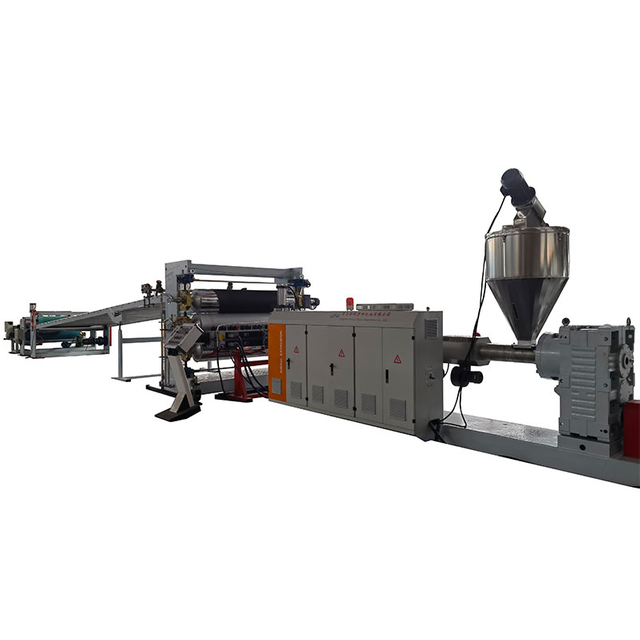
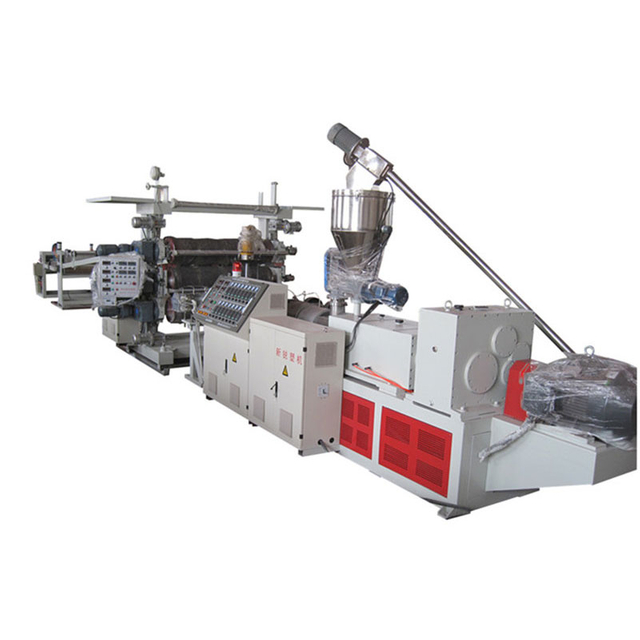
To understand how floor mats machines work, it’s essential to look at their main components. Each part has a specific role in transforming raw material into a usable product:
Feeding System: Loads raw materials into the machine.
Heating/Extrusion Unit: Softens or molds material, especially when working with PVC.
Cutting Mechanism: Shapes mats into standard sizes using die-cutting or blade systems.
Embossing/Printing Section: Adds surface textures, patterns, or logos.
Cooling or Drying Unit: Ensures the mats retain their form and strength after processing.
Stacking/Finishing Section: Prepares mats for packaging and distribution.
Without these elements working in harmony, the machine cannot deliver reliable, high-quality floor mats at scale.
The actual operation of a Floor Mat Making Machine involves several carefully coordinated steps:
Material Feeding – Put PVC /TPV raw material in to the feeding system.
Heating/Extrusion – The material is softened, melted, or extruded through molds depending on the type of mat.
Shaping & Cutting – Automated cutters ensure mats are uniform in thickness and size.
Embossing & Surface Design – Patterns are imprinted to improve traction or aesthetic appeal.
Cooling/Drying – Helps stabilize the shape and improve durability.
Finishing & Packaging – The mats are trimmed, checked for quality, and stacked for shipment.
| Stage | Function | Example Output |
|---|---|---|
| Feeding | Load raw material | PVC material fed into system |
| Extrusion/Heating | Soften or mold material | Rubber melted for shaping |
| Cutting | Define mat dimensions | Standard 2x3 ft mats |
| Embossing | Add grip/design | Anti-slip grooves |
| Cooling/Finishing | Set durability | Ready-to-use floor mats |
This workflow ensures speed, precision, and reduced waste — making modern floor mat production highly efficient.
Not all machines work the same way. Depending on the material and application, different machines are used:
PVC Coil Mat Machine – Produces coil-based mats with dirt-trapping designs.
Automated Embossing Machines – Specialize in design-heavy mats with logos or patterns.
Selecting the right type depends on the market demand and material availability.
Businesses prefer using these machines because they provide significant benefits:
Consistency: Every mat has the same dimensions and finish.
Speed: High production capacity compared to manual methods.
Cost-Efficiency: Reduced material waste and labor expenses.
Customization: Ability to add branding, patterns, and textures.
Durability: Machine-processed mats often last longer due to precise material treatment.
For manufacturers, these advantages translate into higher profit margins and better market competitiveness.
While the machines are highly efficient, they also come with challenges:
High Initial Investment: Advanced machines require significant upfront capital.
Maintenance Costs: Regular servicing is necessary to prevent breakdowns.
Energy Consumption: Heating and extrusion units can increase operational costs.
Skill Requirement: Operators must understand machine calibration and safety protocols.
Understanding these limitations allows businesses to weigh the pros and cons before investing.
Mats created using Floor Mat Making Machines serve diverse purposes:
Residential Use – Doormats, bathroom mats, and kitchen mats.
Commercial Use – Entrance mats for hotels, offices, and malls.
Industrial Use – Heavy-duty anti-slip mats for factories and workshops.
Automotive Use – Car floor mats with dirt-trapping features.
Fitness/Gyms – Rubber mats for weightlifting and cardio areas.
The versatility of these machines makes them essential across multiple industries.

Floor mat machines combine heating, cutting, embossing, and finishing technologies to turn raw materials into durable, functional, and aesthetically appealing mats. While challenges like cost and maintenance exist, the long-term benefits far outweigh them, making these machines a cornerstone of modern mat manufacturing.
1. What raw materials are used in a Floor Mat Making Machine?
Common materials include PVC,TPV,TPE, depending on the type of mat.
2. How long does it take to produce a single floor mat?
Most machines can produce a mat in under a minute, but the speed depends on the machine type and mat complexity.
3.What industries benefit the most from floor mat production?
Automotive, hospitality, fitness, and industrial manufacturing sectors rely heavily on high-quality floor mats.
4. Can a Floor Mat Making Machine be customized for logo printing?
Yes. Many advanced machines include embossing or digital printing modules for branding and customization.